You Won’t Believe These Hidden Worlds in Cebu
Cebu isn’t just beaches and resorts—it’s a collection of immersive theme areas waiting to be explored. From centuries-old heritage zones to underwater playgrounds, every corner tells a story. I didn’t expect to feel so connected to history, nature, and local life all at once. This is more than a tropical getaway; it’s a full-sensory journey through culture, adventure, and authenticity. The island pulses with quiet rhythms—fishermen hauling nets at dawn, elders lighting candles in centuries-old chapels, children laughing beside mountain waterfalls. These moments aren’t staged for tourists; they’re lived. And when you slow down enough to witness them, Cebu reveals not just beauty, but belonging.
Stepping Into Cebu’s Living Heritage
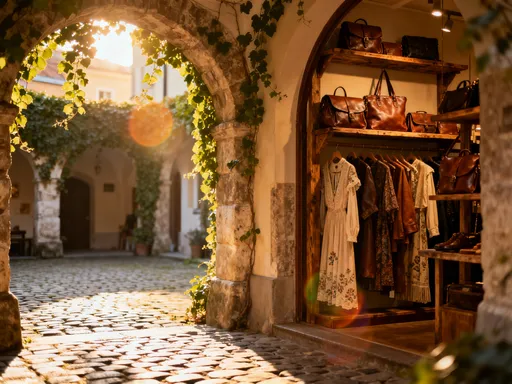
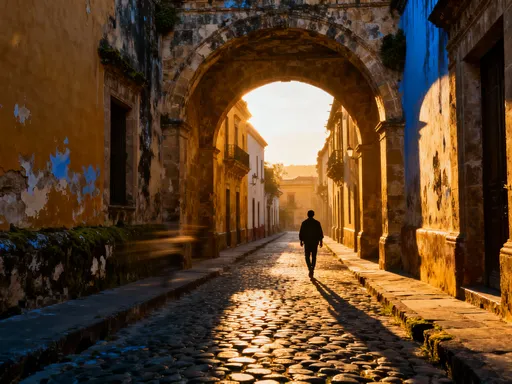
Cebu City’s historic heart beats strongest along Colon Street, the oldest avenue in the Philippines, where Spanish-era facades stand shoulder-to-shoulder with modern boutiques and cafés. Established in the 16th century, this bustling thoroughfare once served as the main artery of colonial trade and governance. Today, it remains a vibrant crossroads where jeepneys weave through pedestrians, vendors call out prices for fresh mangoes and handmade fans, and the scent of roasted coffee drifts from century-old bakeries. Walking down Colon Street feels less like visiting a museum and more like stepping into a living archive—history unfolding in real time, not preserved behind glass.
At the center of this heritage landscape stands the Basilica Minore del Santo Niño, home to the revered image of the Child Jesus presented by Ferdinand Magellan to Queen Juana in 1521. The church, rebuilt multiple times since its founding, continues to draw thousands of devotees every week, especially during the Sinulog Festival each January. Inside, the atmosphere is reverent yet intimate—candles flicker beneath ornate altars, and visitors kneel in quiet prayer, many touching the wooden railings worn smooth by generations of hands. The surrounding plaza buzzes with local life: families gathering for weekend picnics, street musicians playing gentle ballads, and elders sharing stories on shaded benches.
What makes Cebu’s heritage so compelling is not just its age, but its continuity. Unlike cities where the past is cordoned off for preservation, Cebu integrates history into daily existence. Spanish-era houses with capiz-shell windows still serve as family homes. Religious processions wind through modern streets, merging ancient rituals with contemporary life. Even schoolchildren recite prayers in classrooms built near centuries-old fortifications. This seamless blend of old and new offers travelers a rare kind of authenticity—one where culture isn’t performed, but lived. For visitors, the lesson is simple: to understand Cebu, walk slowly, observe closely, and let the city reveal itself one cobblestone at a time.
The Coastal Escape: Island-Hopping as a Way of Life
Off the eastern coast of Mactan Island, the sea sparkles in shades of turquoise and sapphire, dotted with small islands that rise like emerald crowns from the water. Here, island-hopping is not merely a tourist itinerary—it’s a rhythm of life that mirrors how Cebuanos have navigated these waters for generations. Local boats, known as *bangka*, glide across the waves at sunrise, carrying families, fishermen, and travelers alike. These wooden vessels, often painted in bright colors with eyes on the prow for protection, are more than transportation; they’re symbols of a seafaring identity that defines much of Cebu’s coastal communities.
One of the most cherished routes connects Mactan to the protected marine sanctuaries of Nalusuan and Hilutungan. Once threatened by overfishing and coral degradation, these small islands have been transformed through community-led conservation. Today, snorkelers float above thriving coral gardens where parrotfish dart between brain coral and sea fans. The underwater clarity is striking—on calm days, visibility can exceed 15 meters, revealing a living mosaic of color and motion. Local guides, often former fishermen turned stewards, point out clownfish nestled in anemones and green sea turtles gliding past with quiet grace.
But the real magic lies beyond the reefs. Onshore, simple bamboo huts shaded by coconut palms serve as rest stops where visitors sip fresh coconut water and share meals with island caretakers. These are not commercial resorts but community-run stations where hospitality flows naturally. Children play barefoot in the sand, elders mend fishing nets, and laughter echoes across the shore. For many Cebuanos, these islands are ancestral grounds—places of memory, sustenance, and spiritual connection. When travelers engage with this culture respectfully—by following eco-guidelines, supporting local guides, and leaving no trace—they become part of a deeper narrative: one of restoration, resilience, and shared stewardship.
Mountain Retreats: Where Nature Becomes Sanctuary
Just a short drive from the city’s heat, the highlands of Busay and Sirao offer a refreshing contrast—cool air, misty mornings, and landscapes painted in lush green and floral hues. These elevated zones, nestled in the hills above Cebu City, have long served as quiet sanctuaries for residents seeking respite from urban life. Here, the pace slows, the air clears, and nature reclaims its prominence. Among the most beloved destinations is Sirao Flower Garden, often called the “Little Amsterdam of Cebu” for its rolling hills blanketed with vibrant celosia, marigolds, and zinnias. What began as a small agricultural project has evolved into a symbol of environmental renewal and community pride.
The garden’s origins trace back to local government efforts to promote eco-tourism and reforest degraded slopes. By involving farmers and gardeners from nearby barangays, the project created sustainable livelihoods while restoring ecological balance. Today, visitors stroll along winding paths, pausing for photos amid bursts of red, yellow, and pink blooms. Yet beyond its visual appeal, Sirao represents a broader movement across Cebu’s highlands—where tourism supports conservation, not exploitation. Nearby, in Busay, hidden waterfalls like Kamputhaw Cascades remain off most tourist maps, accessible only through guided treks that emphasize environmental respect.
These mountain escapes offer more than scenic beauty; they foster a deeper connection with Cebu’s biodiversity. Birdwatchers may spot the endangered Cebu flowerpecker, a tiny bird once thought extinct, now protected in forest reserves. Hikers traverse trails lined with native trees like yakal and molave, species that once covered much of the island before deforestation. Educational signage, often created by local environmental groups, explains the importance of reforestation and watershed protection. For families, these highland visits become quiet lessons in stewardship—children learn to tread lightly, carry out trash, and appreciate the fragility of mountain ecosystems. In a world where nature is often treated as a backdrop, Cebu’s highlands remind us that landscapes can also be teachers.
The Urban Pulse: Modern Cebu’s Themed Experiences
While Cebu’s natural and historical sites captivate the soul, its modern urban centers reflect the dynamic spirit of its people. Malls like Ayala Center Cebu and Forum Robinsons are more than shopping destinations—they are cultural hubs where lifestyle, leisure, and community converge. These spaces are carefully designed with themed zones: food courts that celebrate regional cuisine, play areas for children, open plazas for live music, and wellness corners offering massage and yoga. Far from being sterile commercial zones, they pulse with local energy—families gathering after church, students studying in air-conditioned cafés, seniors practicing tai chi in wide atriums.
Ayala Center, in particular, exemplifies how modern infrastructure can reflect cultural values. Its architecture blends contemporary design with subtle nods to Cebuano heritage—wooden carvings inspired by traditional *bahay kubo* homes, flooring patterns echoing native weaving motifs, and lighting fixtures shaped like capiz shells. The mall’s events calendar is equally thoughtful, featuring local artists, seasonal festivals, and sustainability drives. During Holy Week, for instance, it hosts exhibits on religious art; in December, it transforms into a celebration of *Pasko* traditions with lantern displays and carolers.
Equally important are the city’s emerging food hubs and night markets, where modern convenience meets grassroots enterprise. Places like Larsian sa Fuente and the Cebu City Night Market turn dining into a social experience. Grills sizzle with marinated pork, fresh squid, and corn, while families and friends gather at long communal tables under strings of colored lights. These spaces are not just about food—they’re about connection. For visitors, they offer a window into how Cebuanos live today: rooted in tradition, yet embracing change with warmth and openness. By engaging with these urban landscapes not as consumers but as participants, travelers gain a fuller picture of Cebu’s evolving identity.
Spiritual Immersion: Beyond the Surface of Faith
In Cebu, faith is not confined to Sunday services—it permeates daily life, shaping routines, relationships, and even landscapes. Two of the island’s most iconic spiritual sites, Magellan’s Cross and the Cross at Mount Busay, stand as powerful testaments to this deep-rooted devotion. Magellan’s Cross, housed in a small kiosk at the corner of Plaza Sugbo, marks the spot where the first Christian baptism in the Philippines is believed to have taken place. Though the original cross has been replaced several times due to decay and relic-seeking, the site remains a living pilgrimage point. Visitors often pause here, making the sign of the cross or offering a silent prayer, regardless of their background.
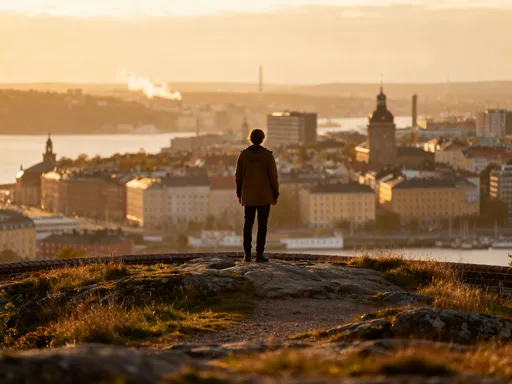
Further uphill, the cross at Mount Busay offers a different kind of spiritual encounter. Perched on a hilltop with panoramic views of the city and sea, this towering white cross is illuminated at night, visible from miles away. It serves not only as a religious symbol but as a beacon of hope and reflection. Locals hike the trail at dawn or dusk, some carrying candles, others simply seeking quiet contemplation. Along the path, prayer stations depict the Stations of the Cross, inviting visitors to walk a devotional journey. On Holy Friday, the hill becomes a place of solemn procession, where hundreds ascend in silence, reenacting Christ’s path to Calvary.
What makes these sites so impactful is their accessibility and authenticity. Unlike grand cathedrals that inspire awe from a distance, Cebu’s spiritual landmarks invite participation. There is no barrier between the sacred and the everyday—prayers are whispered beside busy roads, rosaries dangle from jeepney rearview mirrors, and small altars stand in homes and shops. For travelers, this offers a rare opportunity: to witness faith not as performance, but as practice. One does not need to share the beliefs to feel their depth. In these moments of stillness—standing before a centuries-old cross, watching a grandmother light a candle, hearing the distant chime of church bells—the soul of Cebu becomes quietly, profoundly clear.
Culinary Zones: A Taste of Place and People
No journey through Cebu is complete without surrendering to its culinary landscape—a rich tapestry of flavors shaped by geography, history, and heart. The island’s reputation as the “Home of the World’s Best Lechon” is well-earned, but its food culture extends far beyond roasted pig. From the bustling Carbon Market to roadside grills glowing under streetlamps, Cebu’s culinary zones offer immersive experiences where taste becomes memory. These are not just places to eat—they are stages where identity is served on a plate.
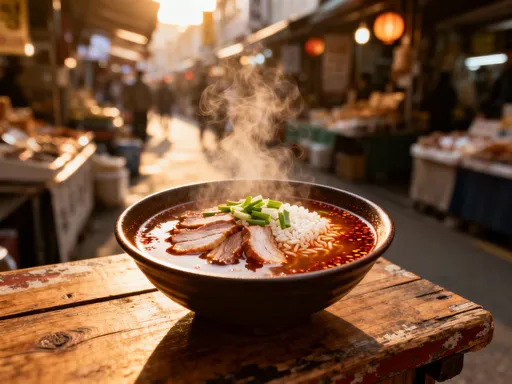
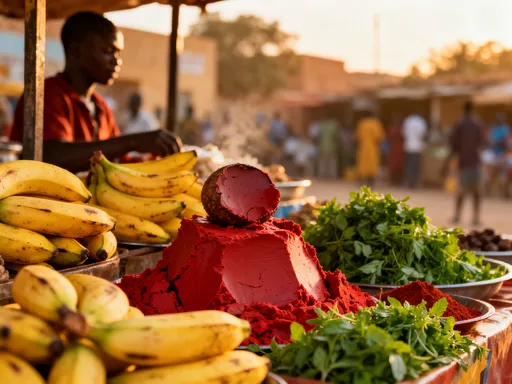
Carbon Market, one of the oldest and largest public markets in the city, is a sensory explosion. Narrow aisles overflow with pyramids of tropical fruit—mangoes, lanzones, rambutan—while fishmongers display the morning’s catch: blue marlin, slipmouth, and live crabs still clicking their claws. Butchers hang slabs of pork and chicken, and spice vendors offer bundles of turmeric, garlic, and siling labuyo. Amid this abundance, food stalls serve *puso* (hanging rice) wrapped in woven palm leaves, paired with grilled *isaw* (chicken intestines) or *betamax* (grilled pork blood). Every bite carries a story of resourcefulness, celebration, and family.
Equally telling are the island’s beachside *sari-sari* stalls—small, informal shops that double as dining spots. Here, fishermen grill fresh catch over open flames, serving it with vinegar and chili or coconut milk-based sauces. Families gather on plastic stools, sharing stories over plates of kinilaw, a ceviche-like dish of raw fish marinated in vinegar, ginger, and calamansi. Unlike formal restaurants, these spaces thrive on spontaneity and connection. A traveler might arrive as a stranger and leave having shared a meal with a local family, invited simply because “there’s enough food for one more.”
Culinary tourism in Cebu is, at its core, human tourism. It’s about the baker who wakes at 3 a.m. to prepare *masareal* (peanut candy), the vendor who remembers your order after one visit, the grandmother who teaches you how to eat *lechon* with your hands, the right way. By embracing these moments—with curiosity, gratitude, and an open stomach—visitors don’t just taste Cebu. They become part of its story.
Sustainable Exploration: Traveling Deeper, Not Just Farther
As global tourism evolves, so too must the way we travel. In Cebu, the most meaningful experiences often come not from checking off landmarks, but from engaging with places and people in ways that honor their integrity. Sustainable exploration is not about deprivation or difficulty—it’s about intention. It means choosing local guides over international tour operators, supporting community-run eco-parks, and respecting cultural norms, whether that means covering shoulders at religious sites or asking permission before photographing people.
One of the most effective ways to travel sustainably in Cebu is through theme-based, slow travel. Instead of rushing from beach to mountain to city in a single week, consider dedicating time to one or two areas. Spend a full day in the highlands, learning about reforestation from local farmers. Stay overnight in a coastal barangay, joining fishermen at dawn. Attend a community event, even if you don’t speak the language. These moments of presence create deeper understanding and leave more positive impact than any checklist ever could.
Practical actions matter, too. Carry a reusable water bottle—many hotels and malls now offer refill stations. Avoid single-use plastics, especially on islands where waste management is limited. Choose restaurants that source locally and avoid endangered seafood like napoleon wrasse. When visiting natural sites, stick to marked trails and never touch or remove coral. These choices may seem small, but collectively, they help protect Cebu’s fragile ecosystems and support the livelihoods of those who depend on them.
Perhaps most importantly, sustainable travel begins with mindset. It means approaching Cebu not as a backdrop for photos, but as a living, breathing community with its own rhythms, values, and challenges. It means listening more than speaking, observing more than consuming. When travelers adopt this attitude, they don’t just visit Cebu—they connect with it. And in that connection, both guest and host are enriched.
Conclusion
Cebu reveals itself not in postcard snapshots but in themed worlds layered with meaning. When you move beyond the surface, you don’t just see the place—you feel it. This is travel transformed: personal, profound, and powerfully real. From the cobblestone echoes of Colon Street to the silent prayers at Mount Busay, from the coral gardens of Nalusuan to the flower fields of Sirao, each experience invites deeper engagement. These are not isolated attractions, but threads in a larger tapestry—woven from history, faith, nature, and daily life.
The island’s true magic lies in its ability to welcome without losing itself. It shares its heritage without spectacle, its food without pretense, its spirituality without pressure. For the mindful traveler, Cebu offers more than escape—it offers belonging. By choosing to explore with respect, curiosity, and care, visitors don’t just witness this culture. They become part of its ongoing story. And in that quiet exchange—between land and traveler, past and present, heart and horizon—lies the essence of unforgettable journey.