You Gotta Taste This: Daejeon’s Food Scene Will Blow Your Mind
If you think Korean food is just kimchi and BBQ, Daejeon is about to change your entire perspective. I went in expecting a quiet science city—what I found was a buzzing hub of local flavors, steaming street eats, and markets alive with energy. This isn’t Seoul’s shadow; it’s a food lover’s hidden playground. From dawn market stalls to late-night pojangmacha tents, Daejeon serves authenticity on every corner. Let me take you through the real taste of this underrated gem—no hype, just honest, mouthwatering truth.
Why Daejeon? More Than Just a Pit Stop
Daejeon is often overlooked by travelers en route to Busan or Seoul, dismissed as a transit point rather than a destination. Yet this mid-sized city, home to over 1.5 million residents, pulses with a quiet confidence that defies its under-the-radar status. Nestled in the heart of South Korea’s Chungcheong region, Daejeon serves as a cultural and scientific crossroads, where tradition meets innovation. Its universities, research institutes, and government agencies bring together people from all over the country, creating a diverse culinary landscape shaped by regional pride and everyday practicality.
What makes Daejeon special is not grand monuments or luxury shopping, but its grounded authenticity. Unlike the high-speed energy of Seoul or the coastal charm of Busan, Daejeon offers a more intimate experience—one where food is not performative, but deeply woven into daily life. Locals don’t eat for Instagram photos; they eat for comfort, connection, and continuity. This is a city where grandmothers still hand-roll dumplings at 5 a.m., where office workers line up for steaming bowls before morning meetings, and where students debate life over shared plates of spicy stew.
Its central location makes it easily accessible—just 50 minutes by KTX from Seoul—and free from the overwhelming crowds that define Korea’s larger cities. Yet Daejeon is no culinary backwater. It’s a living archive of Chungcheong province’s food heritage, where regional dishes are preserved with care and served without pretense. For travelers seeking a more personal, immersive experience, Daejeon provides a rare window into how Koreans actually eat when no one’s watching. It’s not about spectacle; it’s about sustenance, seasonality, and soul.
Morning Bites: Starting the Day at Jungang Market
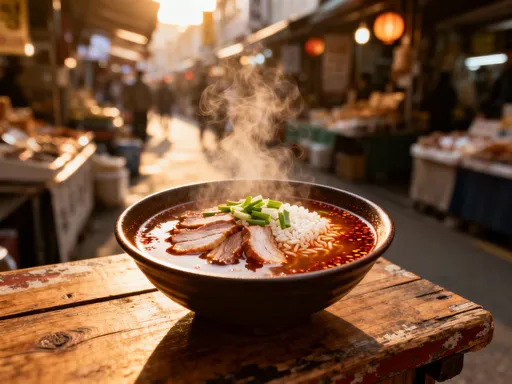
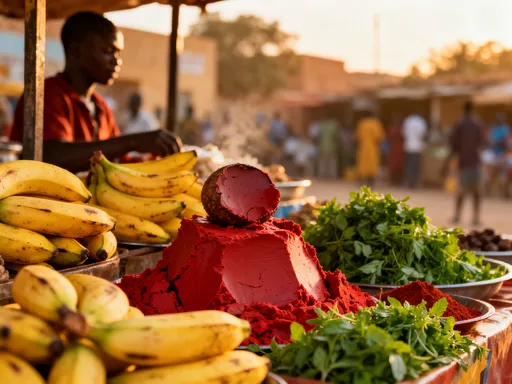
No visit to Daejeon is complete without an early morning at Jungang Market, one of the city’s oldest and most vibrant traditional markets. Opened in the 1960s, it remains a cornerstone of local life, where generations gather not just to shop, but to connect. By 7 a.m., the air is thick with the scent of sizzling oil, fermented soybean paste, and freshly steamed rice. Vendors call out specials in rhythmic cadence, baskets overflow with seasonal vegetables, and the clatter of metal ladles on hot griddles sets the city’s breakfast beat.
At the heart of the market’s morning ritual is jjolmyeon—a chewy, hand-pulled noodle dish native to the region. Unlike the slippery noodles found in other parts of Korea, jjolmyeon has a satisfying resistance, served in a light anchovy broth or with a spicy gochujang-based sauce. One stall, run by a woman in her 70s who has worked here for over four decades, draws lines of loyal customers daily. Her secret? Kneading the dough longer for extra elasticity and using broth simmered overnight with dried seaweed and small fish for depth.
Equally essential is bindaetteok, the mung bean pancake that turns leftover beans into golden, crispy-edged delights. Shredded kimchi, green onions, and minced pork are mixed into the batter and fried until the edges curl and darken. The result is a savory, slightly nutty pancake best eaten hot off the griddle, often paired with a side of raw garlic and soy sauce. A single serving costs between 3,000 and 5,000 KRW, making it one of the most affordable and satisfying breakfasts in Korea.
For those with a sweet tooth, hotteok—sweet filled pancakes—waft their cinnamon-brown sugar aroma from corner stalls. But in Daejeon, even this common street snack gets a local twist: some vendors add chopped nuts or sweet red bean paste for extra richness. Navigating the market is part of the experience. Cash is preferred, signs are in Korean, and seating is communal. But these small barriers dissolve quickly with a smile and a pointed finger. Jungang Market isn’t just a place to eat; it’s where Daejeon’s food culture begins each day—with warmth, energy, and unfiltered flavor.
Beyond Kimchi: The Regional Flavors of Chungcheong Province
While kimchi and barbecue dominate global perceptions of Korean cuisine, Daejeon’s food scene reveals a more nuanced truth: Korea’s regional diversity is its greatest culinary strength. As the largest city in Chungcheong province, Daejeon showcases a flavor profile that is earthy, balanced, and deeply rooted in agricultural tradition. Here, the food reflects the land—fertile plains, clean rivers, and four distinct seasons—resulting in dishes that emphasize freshness, fermentation, and subtle seasoning rather than bold sweetness or extreme heat.
One standout is jjoltteok gukbap, a spicy rice cake soup often enjoyed during colder months. Unlike the bright red, sugar-laden tteokbokki of Seoul, this version uses a broth simmered with gochugaru (Korean chili flakes) and dried anchovies, giving it a deeper, more savory heat. The rice cakes are softer, the broth heartier, and the addition of sliced fish cakes and chopped scallions creates a comforting, home-style dish often served in simple neighborhood eateries.
Another regional specialty is nurungji, the crispy, scorched layer of rice that forms at the bottom of a pot. In Daejeon, it’s not just a byproduct—it’s a delicacy. Some restaurants serve it as a crunchy appetizer, while others rehydrate it into a porridge called nurungji-muk, blending it with water and a touch of soy sauce for a humble yet satisfying meal. This reverence for every part of the ingredient reflects a culture of resourcefulness and respect for food.
Seafood also plays a quiet but important role, particularly shijimi clam dishes. Though not coastal, Daejeon benefits from efficient transport networks that bring fresh clams from the west coast. Shijimi guk, a clear soup made with tiny clams, is prized for its clean, briny flavor and believed to aid digestion. It’s a common home remedy and a frequent lunch choice for office workers seeking something light yet nourishing.
Compared to the sweeter, more commercialized tastes of Seoul or the bold, fermented intensity of Jeolla cuisine, Chungcheong food strikes a middle ground. It’s less flashy, but more balanced—seasoned with restraint, relying on natural umami rather than sugar or MSG. For travelers willing to slow down and savor, this understated elegance offers a refreshing counterpoint to Korea’s more famous food cities.
Street Food Walk: From Yuseong to Expo Science Park
A walking tour through Daejeon’s neighborhoods reveals a street food culture that thrives on accessibility, affordability, and flavor. Unlike the curated food alleys of tourist districts, Daejeon’s snacks emerge organically—from carts near subway exits to clusters of stalls outside universities and parks. One of the best ways to experience this is a self-guided walk from Yuseong District, known for its hot springs and residential calm, to Expo Science Park, a futuristic green space that hosts students, families, and tech workers.
Along the way, tteokbokki appears in many forms. While the classic version is popular, Daejeon vendors often offer a local variation with added fish paste or a milder sauce to suit regional palates. Some stalls serve it with boiled eggs and rice cakes stuffed with cheese, a modern twist that appeals to younger crowds. Equally common are spicy rice sausages—rice stuffed into sausage casings, grilled or steamed, then sliced and coated in gochujang. They’re chewy, smoky, and just spicy enough to wake up the senses.
Near KAIST, one of Korea’s top science and technology universities, the foot traffic ensures a steady rotation of fresh snacks. Hoddeok here are particularly generous—thick, doughy pancakes filled with a molten mix of brown sugar, honey, and crushed peanuts. The best ones bubble and crackle as they fry, releasing a sweet, buttery aroma that draws students in between lectures. Another favorite is twigim, or fried street snacks—everything from squid rings to sweet potato balls, all served in paper cones with a side of tangy dipping sauce.
As evening falls, the scene shifts to pojangmacha—pop-up tent restaurants that light up sidewalks with red and blue neon. These open-air stalls serve everything from grilled skewers to steaming bowls of sundae (blood sausage) and boiled chicken feet. They’re especially popular with students and office workers looking for a quick, hearty meal after long days. Many accept only cash, and seating is limited to plastic stools, but the energy is warm and inclusive. The busiest stalls are usually the best indicators of quality—when locals line up, you know the food is fresh and fairly priced.
Hidden Eateries: Finding Authentic Spots Off the Beaten Path
Some of Daejeon’s best meals happen in places without signs, menus in English, or online reviews. These are the neighborhood joints—family-run, decades-old, and deeply embedded in the community. Finding them requires a shift in mindset: less reliance on apps, more trust in observation and conversation. One of the most reliable methods is to ask vendors at Jungang Market where they eat. More than once, a dumpling seller has pointed a visitor down a narrow alley to a tiny sundubu restaurant where the tofu is made daily and the broth simmers for hours.
Another strategy is to follow delivery riders. In Korea, food delivery is massive, and the busiest restaurants often have motorbikes lined up out front. If you see multiple riders waiting with insulated bags, it’s a strong sign the food is both popular and freshly prepared. KakaoMap, the local navigation app, also offers a “most visited” filter that highlights spots favored by residents rather than tourists. Using it can lead to discoveries like a no-frills galbi house tucked behind a residential building, where the marinade is made in-house and the side dishes are replenished silently by the owner’s wife.
One such hidden gem is a small restaurant specializing in kongnamul gukbap—a simple dish of soybean sprout soup served with rice. The owner, a woman in her 60s, has run the place for over 30 years. She sources her sprouts from a farm outside the city and cooks the soup in large earthenware pots. The result is a clean, comforting flavor that changes slightly with the seasons. There’s no English menu, no air conditioning, and only four tables. But the regulars—retired teachers, local shop owners, and long-time neighbors—know it’s one of the best bowls in the city.
Patience and observation are key. The best food in Daejeon isn’t always loud or flashy. It’s in the quiet moments: a grandmother sharing a table, a cook wiping down counters between meals, a dog napping under a bench. These unscripted scenes are where authenticity lives. For travelers willing to wander without a plan, Daejeon rewards with meals that feel less like transactions and more like invitations.
Food & Culture: How Dining Reflects Daejeon’s Identity
Daejeon’s food culture cannot be separated from its identity as a city of science and education. Home to institutions like KAIST and the Daedeok Innopolis research complex, it’s a place where efficiency, innovation, and collaboration are valued. These principles extend to the way people eat. Meals are often quick but meaningful, designed to fuel long study sessions or intense workdays without sacrificing taste or nutrition.
Lunch breaks at research institutes are a case in point. Instead of eating alone at desks, many scientists and engineers gather in shared canteens or nearby restaurants, using mealtime as a chance to exchange ideas. Bento-style lunchboxes, packed with rice, grilled fish, kimchi, and side dishes, are common. They reflect a balance of convenience and care—meals that are simple but never careless.
The pojangmacha tents, too, embody a spirit of community. These makeshift dining spaces, often set up in parking lots or along quiet streets, encourage shared tables and casual conversation. Strangers sit elbow to elbow, passing soju bottles and swapping stories. For students, they’re a refuge from academic pressure; for workers, a place to unwind. The food is humble—grilled skewers, spicy stews, cold noodles—but the atmosphere is rich with connection.
Daejeon also embraces innovation in subtle ways. Some cafes near university districts offer tech-enhanced dining, like QR code ordering or robot servers, but without losing warmth. Others experiment with fusion—adding local grains to Western-style bread or serving traditional banchan with modern plating. This blend of tradition and progress mirrors the city itself: forward-thinking, yet deeply respectful of roots. In Daejeon, food isn’t just sustenance—it’s a reflection of how a city lives, works, and connects.
Practical Tips: Eating Like a Local Without the Hassle
To fully enjoy Daejeon’s food scene, a few practical adjustments can make all the difference. First, carry cash. While larger restaurants and chains accept cards, many market stalls, street vendors, and small eateries are cash-only. Having 10,000 to 20,000 KRW in small bills ensures you won’t miss out on hidden gems.
Learning a few basic Korean food phrases goes a long way. “Eolma-ye-yo?” (How much?) and “Igeo seawi-eyo” (This one, please) are simple but effective. Pointing is perfectly acceptable, especially in markets. If you’re unsure about spice levels, ask “Maesyung eolmayo?” (How spicy is it?). Many dishes can be adjusted, and vendors appreciate the effort to communicate.
Understanding basic etiquette enhances the experience. Never stick chopsticks upright in a bowl of rice—it resembles funeral rites. Instead, rest them on the provided chopstick holder or the edge of the plate. It’s also customary to wait for the eldest person at the table to start eating first. Sharing dishes is common, so don’t be surprised if others help themselves to your banchan (side dishes)—it’s a sign of comfort, not rudeness.
Timing matters. Traditional markets like Jungang are best visited in the morning, while street food stalls near universities peak in the late afternoon and evening. Avoid national holidays like Chuseok, when many small restaurants close for family visits. The best times to visit are spring (April–May) and autumn (September–October), when the weather is mild and outdoor dining is pleasant.
Transportation is straightforward. Daejeon’s subway Line 1 connects major areas, including Jungang Market Station, City Hall, and Expo Science Park. Buses fill in the gaps, and taxis are affordable. For a full food experience, consider a one-day itinerary: start with breakfast at Jungang Market, grab lunch at a local noodle shop in Dong-gu, snack near KAIST in the afternoon, and end with dinner at a pojangmacha in Yuseong.
Finally, resist the urge to rely solely on English menus. Some of the best food has no translation. When in doubt, point to what others are eating. A smile and a nod are universal languages. In Daejeon, the most authentic meals often come without fanfare—just a hot plate, a cold beer, and the quiet hum of a city that knows how to savor life, one bite at a time.
Daejeon deserves to be seen not as a footnote in a Korea itinerary, but as a destination in its own right. Its food scene is a testament to the richness of everyday life—where flavor isn’t manufactured for tourists, but grown from generations of habit, history, and heart. Here, you won’t find staged performances or curated experiences. Instead, you’ll find real people eating real food in real places: a steaming bowl shared at a plastic table, a grandmother flipping pancakes at dawn, a student laughing over a spicy snack.
This is the kind of travel that stays with you—not because it was perfect, but because it was true. Daejeon reminds us that the best moments often happen off the map, in the spaces between guidebook entries. It invites you to slow down, to taste deeply, and to connect. So the next time you plan a trip to Korea, don’t just pass through. Step off the train, follow the scent of sizzling pancakes, and let the city show you what Korean food really tastes like when it’s lived, not just served. The flavors are waiting—and they’re unforgettable.