Whispers in the Stone: Lake Como’s Hidden Architectural Soul
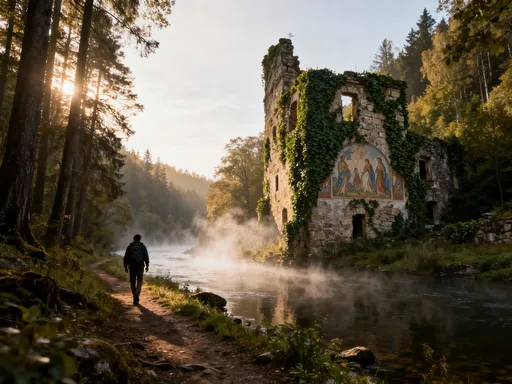
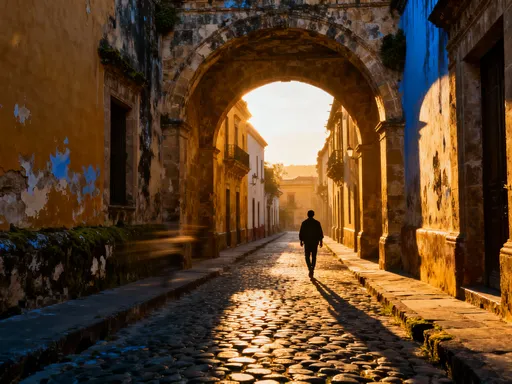
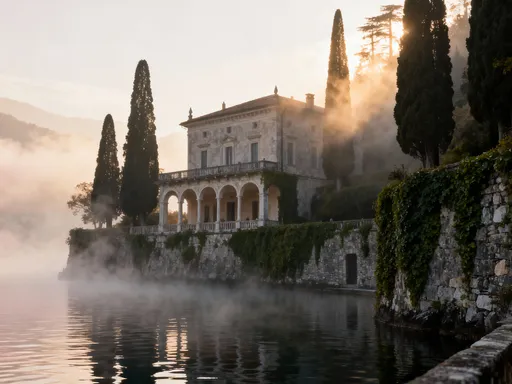
Nestled in the Italian Alps, Lake Como has long drawn admirers for its serene waters and lush hills. But beyond the postcard views lies a quieter, more profound beauty—the secret language of its architecture. I wandered cobblestone paths and stumbled upon villas wrapped in ivy, centuries-old frescoes fading in the sun, and courtyards that echo with forgotten elegance. This is not just sightseeing—it’s time travel through design, where every column and arch tells a story whispered across generations. While many come for the glamour, the true soul of Lake Como reveals itself slowly, in the curve of a hand-forged balustrade or the quiet symmetry of a courtyard half-hidden behind laurel hedges. It is a place where history isn’t preserved behind glass but lives in the very walls, breathing through the rhythm of daily life.
The Allure Beneath the Surface: Why Lake Como’s Architecture Stands Apart
Lake Como’s architectural identity is not defined by a single style but by a layered evolution shaped by centuries of cultural exchange, geographic necessity, and quiet refinement. Unlike the grand, centralized monuments of Rome or the carefully curated facades of Florence, Como’s buildings emerge organically from the landscape, as though grown rather than constructed. The region’s dramatic topography—steep hills plunging into the deep blue lake, narrow peninsulas stretching like fingers into the water—has dictated not only where structures are built but how they are shaped. Villas cling to slopes with terraced foundations, their backs anchored into rock while their faces open toward the light, embracing the sun’s arc across the sky.
What sets Como apart is the seamless integration of form and function, where aesthetic choices are rarely arbitrary. The soft pastel hues of stucco walls—creams, ochres, and pale pinks—are not merely decorative but respond to the natural light, reflecting the changing colors of dawn and dusk over the water. Stone, often quarried locally, blends with the surrounding cliffs, allowing buildings to fade into the hills rather than dominate them. Ironwork on balconies and gates frequently mimics the curling tendrils of vines, a subtle nod to the region’s centuries-old viticulture. Even the placement of windows follows a deliberate logic: large, arched openings face south to capture sunlight, while narrow side windows reduce wind resistance during alpine storms.
This architectural harmony extends to spatial planning. Traditional homes often feature loggias—open-air corridors supported by slender columns—that serve both as transitional spaces between interior and exterior and as passive climate regulators, allowing breezes to flow through in summer while providing shelter from rain. These design elements were not born of whimsy but of necessity, developed over generations to respond to the lake’s microclimate. The result is a built environment that feels both timeless and deeply attuned to its surroundings, where beauty arises not from ornamentation alone but from intelligent adaptation.
Villas That Keep Secrets: A Closer Look at Hidden Estates
While Villa del Balbianello and Villa Carlotta attract crowds with their manicured gardens and sweeping lake views, the true architectural soul of Lake Como resides in the dozens of lesser-known estates tucked behind cypress-lined drives and wrought-iron gates. These are not abandoned ruins but living legacies—many still inhabited by descendants of noble families, others quietly repurposed as private retreats or cultural foundations. Their presence is often hinted at rather than revealed: a glimpse of a weathered coat of arms above a doorway, the silhouette of a cupola emerging from a canopy of plane trees, or the faint echo of footsteps in a courtyard accessible only to those with permission.
What distinguishes these hidden villas is their deliberate balance between privacy and panorama. Unlike the theatrical frontality of urban palaces, Como’s private estates unfold gradually, revealing themselves in stages. Terraces are staggered to create intimate outdoor rooms, each offering a different vantage point of the lake while shielding occupants from view. Entrances are often discreet, tucked into corners or approached through shaded alleys of laurel and boxwood, reinforcing a culture of discretion that has long defined aristocratic life in the region. Inside, the architecture continues to prioritize subtlety—grand staircases may be concealed behind paneled walls, and reception rooms are arranged to maximize natural light without sacrificing intimacy.
Many of these homes feature design elements that speak to a refined sense of craftsmanship and symbolism. Trompe-l’oeil ceilings, painted to mimic vaulted architecture or open skies, create illusions of height and grandeur without structural alteration. Hidden passages and service staircases, once used by staff to move unseen through the house, remain intact in some properties, offering a glimpse into the social hierarchies of the past. Frescoes, though often faded, still display intricate floral motifs and mythological scenes, their pigments derived from natural minerals that have withstood centuries of humidity and light. While public access to these private spaces is limited, select villas open for seasonal cultural tours or special heritage events, allowing visitors a rare opportunity to step inside these living archives of design.
The Craftsmanship You Won’t See on Instagram
In an age dominated by curated images and instant gratification, the most exquisite details of Lake Como’s architecture often go unnoticed. The beauty that endures here is not the kind that fits neatly within a smartphone frame but the kind that reveals itself only upon close inspection—the hand-chiseled edge of a stone cornice, the delicate twist of a wrought-iron railing shaped like grapevines, or the mosaic threshold worn smooth by centuries of footsteps. These are the marks of artisans whose names are rarely recorded but whose work continues to define the region’s aesthetic.
One of the most enduring traditions is *intarsia*, the art of wood inlay using locally sourced walnut, cherry, and olive wood. Master craftsmen cut and fit tiny pieces of wood into intricate geometric or floral patterns, creating surfaces that shimmer with depth and texture. This technique, perfected during the Renaissance, remains alive in small workshops in towns like Como and Cernobbio, where artisans restore historic furniture and paneling using the same tools and methods as their predecessors. The wood itself tells a story—aged slowly, selected for grain and color, and treated with natural oils rather than synthetic finishes, ensuring longevity without compromising authenticity.
Equally remarkable is the ironwork that adorns balconies, gates, and window grilles. Each piece is forged by hand, with blacksmiths shaping molten metal into flowing forms that echo the natural world—twisting vines, curling leaves, and even delicate birds in flight. These are not mass-produced replicas but one-of-a-kind creations, their imperfections a testament to human touch. Preservationists emphasize that replacing these elements with modern substitutes would not only diminish aesthetic value but sever a living connection to centuries-old craftsmanship. Efforts to maintain these traditions include apprenticeship programs and collaborations between local governments and artisan guilds, ensuring that skills passed down through generations are not lost to industrialization.
Yet, the challenge remains: how to preserve authenticity without turning heritage into performance. Some restoration projects risk becoming museum-like, overly polished and stripped of lived-in character. The most successful interventions strike a balance—repairing damaged elements while retaining signs of age, such as patina on metal or slight warping in wooden beams. As one preservationist noted, “The soul of these buildings is in their scars. To erase them is to erase time itself.”
How Location Shapes Design: From Lakeshore to Mountain Cliff
Architecture around Lake Como is not monolithic; it shifts dramatically with elevation, exposure, and proximity to the water. A villa on the lakeshore in Cernobbio bears little resemblance to one perched on a cliff above Bellagio, not due to stylistic preference but to environmental demands. These differences are not flaws but intelligent adaptations, reflecting a deep understanding of local conditions that has been refined over centuries.
Lakeside homes, benefiting from milder temperatures and abundant sunlight, favor expansive designs. Large arched windows and glass-paned doors open onto terraces, maximizing views and allowing natural light to flood interiors. Reflective materials like white marble and light-colored stucco are commonly used on façades to enhance brightness and reduce heat absorption. Many of these homes also feature shallow roofs with wide overhangs, designed to provide shade during hot summers while allowing low winter sun to penetrate living spaces. Underground cisterns, often built beneath courtyards, collect rainwater for garden irrigation, a practical solution that predates modern plumbing.
In contrast, mountain villas must contend with colder temperatures, heavy snowfall, and strong winds. Their architecture is more compact, with thicker stone walls, smaller windows, and steeply pitched roofs to facilitate snow runoff. Entrances are often recessed or protected by covered walkways to shield against storms. Interior layouts prioritize thermal efficiency, with central hearths or tile stoves serving as primary heat sources. Some high-altitude residences even incorporate natural caves or rock formations into their foundations, using the earth’s insulation to maintain stable indoor temperatures year-round.
The variation extends to materials as well. While lakeside buildings may use imported marble or decorative tiles, mountain homes rely on locally quarried stone and timber, reducing transportation costs and ensuring compatibility with the environment. Even color palettes respond to context—darker hues on higher elevations help absorb sunlight, while lighter tones near the water reflect glare. These regional distinctions are not accidental but the result of generations of trial and error, a testament to the ingenuity embedded in Como’s architectural tradition.
Blending Old and New: Modern Interventions Done Right
Preservation does not require stagnation. Across Lake Como, a growing number of restoration projects demonstrate how historic buildings can accommodate modern life without sacrificing their character. The key lies in restraint—introducing contemporary elements only where necessary and ensuring they complement rather than compete with original features. The most successful renovations treat the existing structure not as a relic but as a living entity, one that can evolve while retaining its identity.
One notable example is a 17th-century villa near Tremezzo, where geothermal heating was discreetly installed beneath the garden, eliminating the need for visible radiators or external units. The system draws warmth from underground reservoirs, providing efficient climate control without altering the home’s historic façade or interior moldings. Similarly, modern kitchens and bathrooms have been integrated with minimalist design, using neutral tones and concealed cabinetry to avoid visual disruption. In one case, a glass-enclosed shower was placed within an old stone alcove, its transparency preserving the room’s proportions while adding functionality.
Another project in Lenno transformed a former monastery into a boutique residence, retaining original vaulted ceilings and exposed timber beams while introducing soundproofing and smart lighting systems. Solar panels were installed on a rear roof section, invisible from the street, providing sustainable energy without compromising the building’s silhouette. These interventions were guided by strict conservation principles: materials had to match originals as closely as possible, and no structural changes were made without historical documentation and municipal approval.
However, not all modern additions succeed. Some newer constructions—glass extensions, steel-frame additions, or overly sleek interiors—clash with the soft textures and warm tones of traditional design, creating visual dissonance. Preservation experts caution against treating historic homes as blank canvases for architectural experimentation. “Respect begins with listening,” said one restoration architect. “You study the building’s rhythm, its proportions, its materials—then you respond, never impose.” The goal is harmony: innovation that enhances rather than overwhelms, ensuring that future generations inherit not just buildings, but the wisdom they embody.
Practical Magic: How to Experience These Features Yourself
For travelers seeking more than surface-level beauty, Lake Como offers quiet ways to engage with its architectural heritage. While many villas remain private, thoughtful planning can lead to meaningful encounters with authentic design. One of the most effective strategies is to visit during off-peak hours—early morning or late afternoon—when crowds are thinner and light enhances textures and colors. The soft glow of dawn, for instance, reveals subtle details in stucco work and stone carving that harsh midday sun obscures.
Guided heritage walks, offered by local cultural associations in towns like Como, Bellagio, and Varenna, provide access to lesser-known sites and expert insights into architectural history. These tours often include visits to restored chapels, historic courtyards, and artisan workshops, offering a deeper understanding of craftsmanship and spatial design. Some programs even arrange special viewings of private villas during cultural festivals or open-house events, granting rare glimpses into otherwise inaccessible spaces.
For a more immersive experience, consider staying in a *dimora storica*—a historic residence converted into a boutique hotel or rental. These accommodations preserve original features such as frescoed ceilings, antique fireplaces, and hand-painted tiles, allowing guests to live within the architecture rather than merely observe it. Towns like Torno, Laglio, and Lenno offer intimate settings with fewer tourists, where narrow lanes lead to hidden piazzas and centuries-old fountains. Booking a stay during shoulder seasons—spring or autumn—ensures pleasant weather and a more tranquil atmosphere.
Transportation choices also shape the experience. Ferry routes operated by Navigazione Lago di Como follow a rhythm that aligns with natural light, offering optimal views at different times of day. The early morning ferry from Como to Bellagio, for example, travels eastward, allowing passengers to witness the sun rising over the water and illuminating lakeside villas from the front. Evening routes provide a different perspective, with golden hour light reflecting off marble façades and garden walls. Walking paths along the Greenway del Lago, particularly between Colonno and Cadenabbia, pass through shaded groves and offer unobstructed views of architectural details often missed from the water.
Why These Stones Still Speak: The Timeless Value of Architectural Memory
The enduring power of Lake Como’s architecture lies not in its elegance alone but in its ability to embody memory, resilience, and continuity. These buildings are more than aesthetic objects—they are repositories of knowledge, shaped by centuries of human response to nature, climate, and culture. In an era where design is often disposable, where buildings are constructed quickly and discarded without sentiment, Como’s villas stand as quiet rebukes to transience. They remind us that beauty deepens with time, that materials gain character through use, and that spaces can hold the echoes of lives long past.
Preserving this architectural soul is not merely an act of nostalgia but a commitment to sustainability and wisdom. The passive cooling techniques, rainwater harvesting systems, and locally sourced materials used in historic construction align closely with modern environmental principles. These were not green initiatives in the contemporary sense but practical solutions born of necessity—yet they offer valuable lessons for sustainable design today. By maintaining these structures, we also maintain a connection to ways of living that were inherently attuned to their environment.
Moreover, these buildings foster a sense of cultural continuity. They link present-day communities to their ancestors, offering tangible evidence of shared identity and collective memory. A fresco in a village church, a family crest above a gate, a centuries-old olive press in a courtyard—each is a thread in a larger narrative, one that transcends individual ownership. To walk through these spaces is to participate in that narrative, to become a temporary steward of something greater than oneself.
In the end, Lake Como’s architecture invites a different way of seeing—one that values patience over spectacle, depth over immediacy, and listening over speaking. It asks us to slow down, to notice the curve of a staircase, the texture of weathered stone, the way light falls across a mosaic floor at noon. These are not monuments frozen in time but living structures that continue to evolve, whispering their stories to those willing to listen. And in that quiet exchange, we find not just beauty, but belonging.