Beyond the City: Secret Wild Escapes Just Outside Bogotá
Tucked high in the Andes, Bogotá is more than museums and markets—just beyond the urban rush lie breathtaking protected natural areas few tourists ever see. I’m talking cloud forests humming with life, high-altitude lakes cradled by páramo ecosystems, and trails where silence feels sacred. These aren’t just parks—they’re living sanctuaries. If you’re craving raw beauty without the crowds, these off-the-beaten-path escapes will redefine your idea of a Bogotá adventure. With growing interest in eco-conscious travel, more visitors are discovering that the city’s true magic often lies not within its borders, but just beyond them, where nature thrives in quiet resilience. These nearby wilderness zones offer not only scenic wonder but also vital ecological services and profound personal renewal.
Why Escape the City? The Allure of Nature Near Bogotá
Bogotá, Colombia’s capital, pulses with energy. Home to over seven million people, it is a hub of culture, cuisine, and creativity. Yet, like many major cities, its fast pace and dense infrastructure can feel overwhelming. In recent years, both locals and travelers have increasingly sought balance—something deeper than sightseeing. This shift has sparked a quiet movement toward eco-conscious travel, where connection with nature is not a luxury but a necessity. Protected natural areas surrounding Bogotá have become essential refuges, offering clean air, tranquility, and a chance to reconnect with the rhythms of the earth.
These green spaces are not merely scenic backdrops; they are critical components of regional sustainability. They safeguard watersheds, stabilize climate patterns, and protect biodiversity found nowhere else on the planet. Colombia ranks among the most biologically diverse countries globally, and the ecosystems near Bogotá contribute significantly to this distinction. The Andean region, in particular, hosts unique plant and animal species adapted to high elevations and cool temperatures. Preserving these areas ensures that future generations inherit not only cultural richness but also environmental health.
The concept of “nearby wilderness” challenges the assumption that meaningful nature experiences require long journeys or remote destinations. Just an hour or two from Bogotá’s center, visitors can step into misty forests, walk across sponge-like páramo landscapes, and gaze upon glacial lakes formed thousands of years ago. Despite their proximity, many of these areas remain under-visited, not due to lack of beauty, but because they are less marketed and require a bit more effort to reach. This relative obscurity, however, enhances their value—offering solitude, authenticity, and a sense of discovery.
These protected zones are managed by institutions such as Parques Nacionales Naturales de Colombia, which oversees a network of national parks and natural reserves across the country. Their mission includes conservation, scientific research, and public education. Access to certain areas is regulated to prevent overuse and ecological damage, ensuring that tourism supports rather than undermines preservation. For the thoughtful traveler, visiting these sites becomes more than recreation—it becomes participation in a larger story of care and respect for the natural world.
Chingaza National Natural Park: Where Clouds Embrace the Mountains
Nestled about two hours northeast of Bogotá, Chingaza National Natural Park is one of the region’s most pristine and ecologically significant protected areas. Spanning over 43,000 hectares, this park protects a mosaic of high-altitude ecosystems, including cloud forests and vast páramo plains. At elevations ranging from 2,800 to nearly 4,000 meters above sea level, Chingaza serves as a vital water source for the surrounding region, feeding rivers that supply Bogotá itself. Its name, derived from indigenous Muisca roots, reflects its deep cultural and environmental importance.
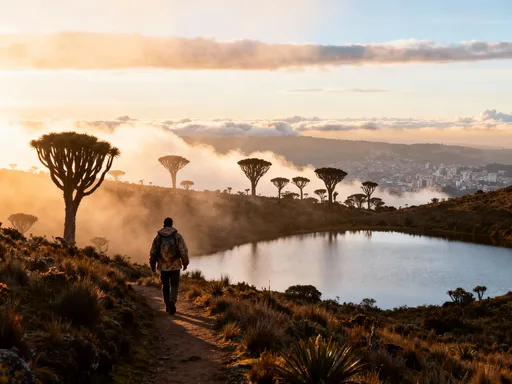
One of the most popular destinations within the park is Laguna de Siecha, a series of three interconnected lakes set against a dramatic mountain backdrop. The trail leading to the lagoon is moderately challenging, winding through elfin forests where trees grow short and twisted due to constant winds and low temperatures. As visitors ascend, the air grows cooler and the landscape transforms—moss-covered branches drip with moisture, and the sound of rushing streams fills the silence. On clear days, the reflection of snow-dusted peaks shimmers in the still water, creating a moment of almost otherworldly beauty.
Chingaza is home to a remarkable array of flora and fauna, much of it endemic to the Andes. The iconic frailejón plant dominates the páramo, its rosette-shaped leaves capturing moisture from the fog and slowly releasing it into the soil—a natural mechanism that earns these ecosystems the nickname “water factories.” Birdwatchers may spot the black-chested buzzard-eagle soaring overhead or hear the melodic call of the paramo tapaculo hidden in the underbrush. Though rare, the Andean spectacled bear has been documented in the area, a symbol of the park’s wild integrity.
Visiting Chingaza requires preparation. Due to its elevation, temperatures can drop below freezing at night, and sudden weather changes are common. Travelers should wear layered clothing, bring waterproof gear, and carry sufficient water and snacks. Access to the park is typically granted only through authorized guided tours, which help minimize environmental impact and ensure visitor safety. These guides, often from nearby communities, provide valuable insights into the region’s ecology and traditions. Entrance permits must be obtained in advance through official channels, and camping is allowed only in designated areas. By following these guidelines, visitors contribute to the long-term protection of this fragile environment.
La Conejera: Bogotá’s Hidden Green Lung
While most travelers head to distant parks, few realize that a protected natural area exists within Bogotá’s own boundaries. La Conejera Hills Natural Park, located in the southern district of Bosa, is a quiet sanctuary often overlooked by tourists. Covering approximately 400 hectares, this urban reserve plays a crucial role in preserving native vegetation, protecting local watersheds, and providing habitat for wildlife. It also offers residents and visitors a rare opportunity to experience nature without leaving the city.
La Conejera’s landscape consists of rolling hills, native shrubs, and patches of Andean forest. Though not as dramatic as high-altitude páramos, its ecological value is immense. The area helps filter rainwater, reduces soil erosion, and supports pollinators and migratory birds. Over 70 bird species have been recorded here, including the Andean raven, the mountain avocetbill, and various hummingbirds that dart between flowering plants. For birdwatchers and casual hikers alike, the park offers a peaceful retreat where the sounds of traffic fade into the background.
Hiking trails vary in difficulty, making the park accessible to families and individuals of different fitness levels. Some paths lead to panoramic viewpoints overlooking the city, where on clear mornings, the silhouette of the Eastern Cordillera emerges from the mist. Unlike busier parks, La Conejera sees relatively few visitors, especially during weekdays. Those who arrive early in the morning are rewarded with solitude, fresh air, and the chance to observe nature undisturbed.
The park also features basic visitor facilities, including restrooms, informational signs, and picnic areas. Educational programs are occasionally offered by local environmental groups, focusing on native species, waste reduction, and sustainable living. To preserve its delicate ecosystem, visitors are asked to stay on marked trails, avoid loud noises, and carry out all trash. Dogs must be kept on leashes, and drones are prohibited. By respecting these rules, guests help maintain La Conejera as a haven for both people and wildlife.
Páramo de Guerrero: A Fragile Wonderland at Your Doorstep
Just northwest of Bogotá, bordering Chingaza National Natural Park, lies the Páramo de Guerrero—a lesser-known but ecologically vital zone that forms part of the larger Andean highland system. Though not a national park itself, this area is protected due to its critical role in water regulation and biodiversity conservation. The páramo ecosystem here functions like a giant sponge, absorbing rainfall and fog, then slowly releasing it into streams and aquifers that supply nearby towns and agricultural regions.
What makes the páramo so extraordinary is its ability to thrive in extreme conditions. Temperatures fluctuate dramatically between day and night, and the thin air challenges even the most adapted species. Yet life persists in surprising forms. The frailejón, with its thick, woolly leaves, stores water and insulates itself against frost. Tiny frogs, such as the critically endangered golden poison frog (in related habitats), and specialized insects have evolved to survive in this harsh environment. Birds like the paramo seedeater and the Andean gull are commonly seen, their calls echoing across the open terrain.
Because of its sensitivity, the Páramo de Guerrero is not open to unrestricted tourism. Unauthorized access can lead to soil compaction, vegetation loss, and disruption of water cycles. However, responsible visitation is possible through community-led eco-tourism initiatives. Local cooperatives offer guided hikes that emphasize education, conservation, and cultural exchange. These guides, often farmers or former land stewards, share traditional knowledge about medicinal plants, water stewardship, and the importance of protecting ancestral lands.
Travelers who visit with these cooperatives not only gain a deeper understanding of the ecosystem but also support sustainable livelihoods. Fees from tours go directly to community projects, such as reforestation efforts and environmental monitoring. Visitors are taught to walk lightly—staying on established paths, avoiding off-trail exploration, and minimizing noise. This model of tourism ensures that conservation and economic well-being go hand in hand, creating a blueprint for how nearby wilderness can be enjoyed without being exploited.
Tips for Exploring Protected Areas Responsibly
Exploring the natural areas around Bogotá is a privilege, not a right. With that privilege comes responsibility. The Leave No Trace principles provide a clear framework for minimizing human impact: pack out all trash, leave natural objects undisturbed, and avoid introducing non-native species. In high-altitude environments, where plant growth is slow and recovery from damage can take decades, these actions are especially important. Even seemingly small choices—like stepping off the trail to take a photo—can erode soil and destroy fragile vegetation.
Proper gear is essential for both comfort and safety. Temperatures in the Andes can shift rapidly, and rain is common, even on sunny mornings. Layered clothing, including moisture-wicking base layers, insulating mid-layers, and waterproof outer shells, allows travelers to adapt to changing conditions. Sturdy hiking boots with good traction are recommended, as trails can become slippery after rainfall. Sun protection is also crucial—UV radiation is stronger at higher elevations, so hats, sunglasses, and sunscreen should be part of every pack.
Hiring local guides does more than ensure a safer experience; it supports sustainable tourism and community development. Guides possess intimate knowledge of the terrain, weather patterns, and local customs. They can point out hidden details—a rare orchid, the track of a wild animal, the medicinal use of a particular plant—that might otherwise go unnoticed. Their presence also discourages illegal activities, such as littering or unauthorized camping, helping to keep the parks clean and protected.
Acclimatization is another key consideration. Bogotá sits at about 2,640 meters above sea level, and many nearby natural areas are even higher. Visitors arriving from lower elevations should allow time to adjust, ideally spending a day or two in the city before venturing into the mountains. Symptoms of altitude sickness—headache, nausea, dizziness—can be reduced by staying hydrated, avoiding alcohol, and ascending gradually. Listening to your body and pacing yourself enhances both safety and enjoyment.
Finally, always check access requirements before departure. Some parks limit daily visitor numbers or close during rainy seasons to prevent trail degradation. Permits may be required and are often available through official websites or local tour operators. Staying informed ensures a smooth experience and demonstrates respect for the rules designed to protect these irreplaceable landscapes.
How These Escapes Enhance Your Travel Experience
In a world where travel often means ticking off landmarks and posing for photos, the quiet immersion offered by Bogotá’s nearby wilderness provides a refreshing contrast. These escapes do not dazzle with spectacle alone; they invite reflection, presence, and connection. After days of navigating city streets and crowded plazas, stepping into a cloud forest or walking beside a highland lake feels like a reset—a return to something fundamental and grounding.
Psychologically, time in nature has been shown to reduce stress, improve mood, and enhance cognitive function. The absence of digital distractions, combined with the rhythmic sounds of wind and water, creates space for mindfulness. Many visitors report a sense of awe when encountering untouched landscapes—the kind of deep emotional response that lingers long after the trip ends. Whether it’s watching a hummingbird hover beside a flower or catching the first light over a misty valley, these moments become anchors of memory and meaning.
These experiences also deepen one’s connection to place. Rather than viewing Colombia solely through the lens of its cities, travelers gain a fuller understanding of its ecological richness and cultural diversity. Conversations with local guides, observations of traditional land practices, and participation in conservation efforts all contribute to a more nuanced perspective. This kind of travel fosters empathy, curiosity, and stewardship—qualities that extend beyond the journey itself.
For families, these outings offer shared experiences that strengthen bonds. Children learn about ecosystems in a hands-on way, developing appreciation for nature that can last a lifetime. Adults rediscover the joy of simple pleasures—walking together, breathing fresh air, pausing to admire a view. By balancing popular attractions with off-grid experiences, travelers create richer, more memorable itineraries. The goal is not to see everything, but to feel deeply, to engage meaningfully, and to leave with more than souvenirs.
Final Thoughts: Protecting the Wild Places We Love
The natural areas near Bogotá are more than scenic escapes—they are living systems that sustain life in visible and invisible ways. As travelers, we have a choice: to treat them as disposable backdrops or to recognize them as irreplaceable treasures. True adventure is not measured by how many places we visit, but by how deeply we connect with them. The quiet trails of Chingaza, the hidden slopes of La Conejera, and the fragile páramos near Guerrero remind us that wonder exists close to home, waiting to be discovered with care and respect.
Preserving these spaces begins with awareness. Every decision matters—whether it’s choosing a responsible tour operator, packing out trash, or simply speaking up about the importance of conservation. Advocacy can take many forms: sharing stories, supporting environmental organizations, or teaching children to value nature. Small actions, multiplied across thousands of visitors, create lasting change.
Bogotá’s unique advantage lies in its proximity to world-class nature. Nowhere else can one find such diverse ecosystems within such a short distance from a major capital. This accessibility is a gift, but also a responsibility. The more people who visit these areas, the greater the need for mindful behavior and strong protections.
In the end, the most meaningful journeys are not those that take us farthest, but those that bring us closest—to the earth, to each other, and to ourselves. The wild places just beyond Bogotá offer exactly that: a chance to slow down, to listen, and to remember what it means to belong to something greater. Let us visit them not as conquerors, but as guests. And let us leave them not with footprints, but with gratitude.