This Is Why the Lake District’s Art Scene Will Blow Your Mind
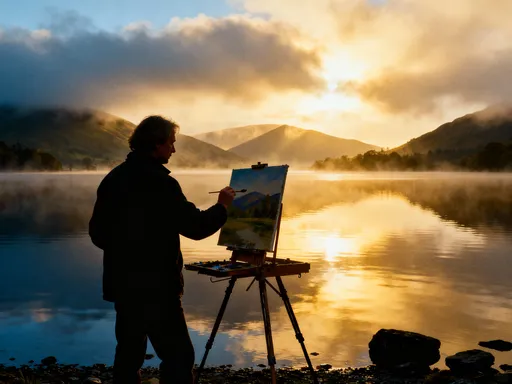
You know that feeling when you think you’ve seen it all, and then—bam—nature and art collide in the most unexpected way? That’s exactly what happened when I wandered into the Lake District. Beyond the misty fells and shimmering lakes, I discovered a vibrant cultural heartbeat—studio trails, poetry readings, open-air murals. It wasn’t just scenery; it was living art. If you think this corner of the UK is just for hikers, trust me, you’re missing half the story. The region’s creative soul pulses quietly but powerfully, woven into the rhythm of village life, the hush of ancient woodlands, and the reflective surface of its still waters. This is not a place where art imitates nature—it is where art emerges from it, breathes with it, and invites you to do the same.
First Impressions: Where Nature Meets Creativity
Arriving in the Lake District, one is immediately struck by the harmony between landscape and human expression. The region’s rolling hills, glacial lakes, and stone-walled farms do not simply offer postcard views—they seem to hum with creative energy. In towns like Keswick and Ambleside, this duality reveals itself in subtle but meaningful ways. Outdoor outfitters sit beside independent art galleries; walking maps are displayed next to charcoal sketches of Herdwick sheep grazing on rain-dappled slopes. There’s no sense of contradiction here—only continuity. The environment isn’t just a backdrop for creativity; it’s the very foundation upon which it’s built.
The artistic presence feels organic, not curated for tourists. In Keswick, the Theatre by the Lake hosts contemporary plays with panoramic views of Derwentwater, while local cafés double as rotating exhibition spaces for regional painters. In Ambleside, handcrafted jewelry inspired by lichen patterns or the ripples of Windermere can be found in small boutiques, each piece telling a quiet story of place. These are not mass-produced souvenirs but intimate reflections of the natural world, shaped by those who live within it. The air carries more than just the scent of damp earth and pine—it carries inspiration.
What makes this fusion so compelling is its authenticity. Artists aren’t merely visiting to capture the scenery; many have settled here precisely because the landscape nurtures introspection and imagination. The quietness of the fells, the ever-changing light on the water, the rhythm of seasonal shifts—all of these feed a creative process that values slowness and observation. For the visitor, this means encountering art that feels rooted, grounded, and deeply personal. It’s not about spectacle; it’s about resonance. And that resonance begins the moment you step off the train in Penrith or wind your car along the narrow lanes toward Hawkshead.
The Legacy of Wordsworth and the Romantic Influence
No exploration of the Lake District’s art scene is complete without acknowledging its literary heartbeat. At the core of this cultural legacy stands William Wordsworth, whose poetry helped define not only the region’s identity but also an entire artistic movement—the Romantic era. Alongside Samuel Taylor Coleridge and Robert Southey, Wordsworth championed emotion, nature, and the sublime, elevating the ordinary landscape into something sacred. His home, Dove Cottage in Grasmere, is not merely a museum but a pilgrimage site for lovers of language and nature alike.
Walking through its low-ceilinged rooms, one can almost hear the scratch of pen on paper, the murmur of verse being tested aloud. The garden, wild and untamed, mirrors the poetry it helped inspire. Today, the Wordsworth Museum on the same grounds expands this legacy, hosting manuscripts, personal artifacts, and rotating exhibitions that connect his 19th-century vision to modern creative expression. What’s remarkable is how contemporary artists continue to draw from this wellspring. Painters interpret his poems visually; composers set his lines to music; spoken word performers gather in local halls to honor his cadence.
The Romantic ideal—that nature stirs the soul and awakens creativity—remains alive in the region’s artistic DNA. Modern poets gather at the annual Grasmere Literary Festival to read new works beneath the same skies that inspired Lines Composed a Few Miles Above Tintern Abbey. Visual artists cite Wordsworth’s reverence for detail—the way he noticed the ‘motion’ and ‘shape’ of a cloud—as a guiding principle in their own work. This isn’t nostalgia; it’s an ongoing conversation between past and present, between the written word and the painted canvas, between solitude and community. The Lake District doesn’t preserve its history behind glass—it allows it to evolve, breathe, and inspire anew.
Hidden Studios and Local Art Trails You Need to Explore
One of the most rewarding ways to experience the Lake District’s art scene is by stepping off the beaten path and into the studios of local creators. The region hosts several self-guided art trails, most notably the Lake Artists Society’s annual exhibition, which opens the doors of private workshops to the public. These aren’t grand galleries in city centers but humble spaces tucked into farmhouses, converted barns, and cottages nestled beside streams. Here, art is made in real time, shaped by the seasons, the weather, and the rhythm of rural life.
Imagine arriving at a stone cottage in Borrowdale, where a potter welcomes you with tea and stories of how the color of local clay influences her glazes. The scent of wet earth and wood-fired kilns fills the air. Nearby, a textile artist weaves fabric using wool from Herdwick sheep, her patterns echoing the contours of the surrounding fells. These encounters are intimate, unscripted, and deeply human. There’s no barrier between viewer and creator—just conversation, curiosity, and connection.
The art trails typically run in late summer and early autumn, coinciding with milder weather and harvest light. Maps are available online or at tourist centers, allowing visitors to plan routes that combine studio visits with short walks or picnics by the lakes. Some trails focus on specific media—ceramics, printmaking, watercolor—while others offer a diverse mix. The key is to allow time: not just to look, but to listen. Many artists share how living in the Lake District shapes their process—how a sudden downpour might delay a firing, or how the silence of dawn inspires a new composition.
Supporting these creators isn’t just about purchasing a piece; it’s about sustaining a culture. Each handmade bowl, painting, or woven scarf represents hours of labor, a deep relationship with materials, and a commitment to craft. By visiting these studios, travelers become part of a larger story—one of resilience, creativity, and community. And for those who may feel daunted by rural navigation, most trails are well-marked, and locals are accustomed to guiding visitors with patience and warmth.
Cultural Festivals That Bring the Mountains to Life
While the Lake District is often associated with quiet contemplation, it also knows how to celebrate. Throughout the year, a series of cultural festivals transform its villages into vibrant stages for artistic expression. Among the most beloved is the Kendal Poetry Festival, a gathering that draws writers and listeners from across the country. Held in intimate venues—a historic church, a community hall, a cozy bookshop—the festival features readings, workshops, and performances that honor both classic and contemporary voices. There’s a palpable sense of reverence for language, yet the atmosphere remains welcoming, even joyful.
Equally dynamic is the Lakes Alive festival, a weekend-long celebration of visual art, music, and light. As dusk falls, the town of Keswick becomes a canvas for illumination. Projection mapping turns stone buildings into moving stories; glowing sculptures dot the lakeshore; musicians perform on floating stages. One moment, you’re watching a digital waterfall cascade down a centuries-old wall; the next, you’re following a lantern-lit path through a grove of trees, where whispered poetry plays from hidden speakers. These experiences are immersive, blending technology and tradition in ways that feel both modern and timeless.
Festivals like these do more than entertain—they redefine what a mountain town can be. For a few days, the pace quickens, the streets buzz, and strangers become fellow explorers. Families gather for outdoor cinema under the stars; children paint community murals; local chefs host supper clubs featuring seasonal ingredients. These events are carefully designed to minimize environmental impact while maximizing community involvement. Many artists are commissioned from within the region, ensuring that the creative economy remains local and sustainable.
For visitors, planning around a festival can elevate a trip from scenic to transformative. Accommodations fill quickly, so booking months in advance is wise. Packing layers is essential—the weather remains unpredictable, even in summer. But the rewards are immeasurable: the chance to witness art not as a static object, but as a living, breathing force that brings people together. These festivals remind us that culture thrives not in isolation, but in shared experience.
Museums and Galleries: More Than Just Paintings on Walls
The Lake District’s artistic richness is preserved and celebrated in a network of museums and galleries that balance historical depth with contemporary relevance. The Wordsworth Museum in Grasmere, as mentioned, offers a profound connection to the region’s literary past, but it also hosts modern exhibitions that explore themes of nature, identity, and environmental change. Interactive displays allow visitors to compose their own poems using digital tools, while temporary installations respond to current events—such as climate change’s impact on mountain ecosystems.
In Ambleside, the Armitt Museum and Library provides a different kind of intimacy. Housed in a modest building, it curates a remarkable collection of manuscripts, watercolors, and natural history specimens. Here, you might find a sketchbook belonging to Beatrix Potter, who lived nearby and drew inspiration from the local flora and fauna. The Armitt also champions lesser-known female writers and artists of the 19th and 20th centuries, offering a more inclusive narrative of the region’s creative life. Its reading room invites quiet reflection, and its garden hosts seasonal poetry readings.
Further afield, Windermere and Bowness-on-Windermere are home to several contemporary galleries showcasing the work of living artists. These spaces often feature rotating exhibitions, ensuring that repeat visitors always discover something new. Themes range from abstract interpretations of light on water to figurative works depicting rural labor and community. Many galleries collaborate with local schools, offering workshops that engage children in artistic expression from an early age.
What unites these institutions is their accessibility. They do not feel imposing or academic. Labels are written in clear, engaging language; staff are eager to share stories behind the artworks; and admission fees, where they exist, are modest. Visitors are encouraged to linger, to return, to form a relationship with the space. And because these galleries are often within walking distance of lakeside paths, it’s easy to pair a morning of art with an afternoon of gentle hiking—immersing oneself in both human and natural creativity.
Art in the Open: Murals, Sculptures, and Nature Installations
Perhaps the most democratic form of art in the Lake District is the kind that requires no ticket, no opening hours, and no prior planning. Public art is woven into the fabric of the region—bronze statues of literary figures in town squares, community-painted murals celebrating local history, and land art installations that emerge and fade with the seasons. These works invite interaction, not passive observation. They belong to everyone.
In Keswick, a sculpture of poet Kathleen Raine stands near the river, her gaze turned toward the mountains she loved. In Ulverston, birthplace of Stan Laurel, a playful bronze statue honors the comedian, drawing smiles from passersby. But beyond figurative works, the region embraces more experimental forms. Environmental artists create temporary installations using stone, wood, and ice—pieces that shift with the weather, erode with time, and return to the earth. These are not meant to last; they are meant to be experienced in the moment, much like a sunrise over Ullswater or the first bloom of bluebells in spring.
One notable example is the ongoing tribute to painter Sheila Fell, whose stark, powerful landscapes captured the emotional weight of the Cumbrian countryside. Though her work is housed in galleries, her influence extends into public spaces through interpretive signs and outdoor exhibitions that allow viewers to compare her paintings with the actual vistas that inspired them. This blending of indoor and outdoor experience deepens understanding and appreciation.
Community murals, often created during local festivals, depict scenes of farming life, traditional crafts, and seasonal celebrations. These are not polished corporate commissions but heartfelt expressions of shared identity. Children help paint them; elders share the stories behind the images; residents take pride in their preservation. In a world where art is often confined to elite spaces, the Lake District insists on its presence in everyday life. It’s a reminder that beauty and meaning are not reserved for special occasions—they are part of the ordinary.
Why This Journey Changes How You See Travel
Traveling through the Lake District with an eye for art transforms not just the itinerary, but the mindset. It shifts the focus from ticking off landmarks to slowing down, observing, and connecting. In a world of mass tourism, where destinations are often reduced to hashtags and photo ops, this region offers a different model—one rooted in depth, authenticity, and continuity. Here, culture is not performed for visitors; it is lived.
The experience encourages a more thoughtful way of engaging with any place. Instead of asking, ‘What can I see here?’ one begins to wonder, ‘What does this place feel like? Who has shaped it? What stories does it hold?’ These questions lead to richer, more meaningful journeys. They foster empathy, curiosity, and a deeper respect for local communities.
Moreover, the Lake District demonstrates how art and nature are not separate realms but interconnected forces. A painting captures the mood of a storm over Helvellyn; a poem gives voice to the silence of a mountain valley; a sculpture echoes the shape of a dry-stone wall. Each form of expression deepens the viewer’s relationship with the landscape. And in turn, the landscape nurtures the art, providing endless inspiration.
For travelers, especially those seeking solace or renewal, this synergy offers something rare: a sense of wholeness. The pace is slower, the distractions fewer, the connections more genuine. One leaves not just with photographs, but with a renewed sense of wonder, a notebook full of sketches or lines of poetry, and perhaps a small handmade object that carries the spirit of the place. This is not tourism as consumption; it is travel as participation.
The Lake District doesn’t just invite you to look—it invites you to feel, to reflect, to create. It reminds us that beauty is not passive; it is a dialogue between the world and the human heart. And in that dialogue, we find not only art, but ourselves.
The Lake District isn’t just a postcard—it’s a canvas. From whispered poetry to bold murals on stone walls, art here doesn’t sit behind glass; it lives in the air, the water, the quiet corners where inspiration strikes. Choosing to explore its cultural side doesn’t just enrich your trip—it redefines what a journey can be. Next time you plan an escape, ask yourself: do you want to see the view, or do you want to feel it? The answer might be waiting in a tiny studio beside a mountain stream.